
As with every year, I take this day to punch out a blog post detailing my reads from the previous year — and every year I have to remind myself that quality is more important than quantity after being greeted in the morning with a bevy of “I read ALL the books!” and “Can you believe it? I read a book a day!” posts in social media streams. My eyes are always bigger than my stomach when it comes to reading and I start each year off thinking, “This’ll be the one I read a book a week” and then … life.
I loved, loved, loved just about everything I read this year. But I also loved a lot of other stuff too. Each year as I get just a wee bit older I learn more about how to let go of unrealistic expectations and am working on being less competitive with myself. I’m a work in progress. So, without further ado …. here’s everything I read in 2023:
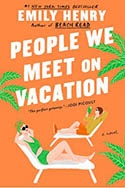
People We Meet on Vacation, by Emily Henry
A nice way to start the new year — a good old-fashioned rom com. People keep recommending Henry’s “Book Lovers” to me so I hope to pick that up this year.
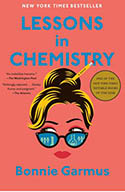
Lessons in Chemistry, by Bonnie Garmus
One of last year’s “it” books and now a TV series (on my watch list, but honestly who knows when I will get to it …) Garmus’ protagonist, Elizabeth Mott, is a lot of things, but a pushover isn’t one of them.
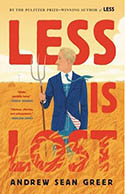
Less is Lost, by Andrew Sean Greer
With the benefit of time between reading Greer’s followup to “Less” and writing this blog post, I can say the sequel hasn’t stuck to me as much as the first go round with Arthur did. But nonetheless I am very glad Greer revisited Less and his longtime love, Freddy.
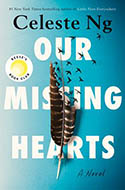
Our Missing Hearts, by Celeste Ng
Ugh, such a good read — even if it’s a little depressing and hits way too close to home in this political atmosphere we find ourselves in. At its core, it’s about the love of a mother for her son, and that tracks for me.
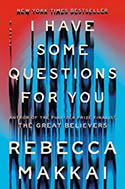
I Have Some Questions for You, by Rebecca Makkai
Her followup to “The Great Believers,” Makkah did not disappoint with this trip down memory lane for Bodie Kane. A podcaster-turned-visiting-professor, Kane returns to her boarding school to uncover who murdered her one-time roommate.
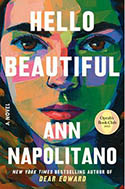
Hello Beautiful, by Ann Napolitano
As mentioned above, the benefit of distance and time can sometimes change a person’s opinion on a book they read. I think when I first read about the Padavano sisters, I enjoyed it but was a little hesitant to gush over it as others were at the time. Now? This was actually one of my favorite books this year. Family dysfunction is my jam, and the ins and outs of these four sisters, their love and frustrations, still sits with me months later.
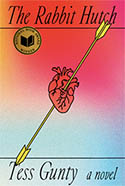
The Rabbit Hutch, by Tess Gunty
Gunty’s tragic tale of people living on the periphery of chaos and failure is a perfect example of why you shouldn’t let book awards weight your “What should I read next?” thinking. I’m not saying this wasn’t worthy of its accolades — it definitely is. Beautifully written, complicated and deep, but also … really freaking weird.
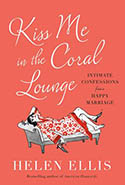
Kiss Me in the Coral Lounge, by Helen Ellis
Depressed? Read Helen Ellis. Happy? Read Helen Ellis. Bad day? Read Helen Ellis. Party planning? Read Helen Ellis. Talking funeral plans? Read Helen Ellis. She’s got an essay for everything.
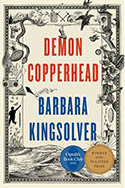
Demon Copperhead, by Barbara Kingsolver
That thing I said above about book awards not being the true north when it comes to picking out your next read? With Kingsolver’s latest, it definitely should be. This is a doorstop of a book but my goodness is the storytelling worth it.
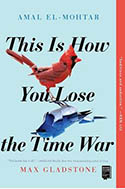
This is How You Lose the Time War, by Max Gladstone
Months later, I still can’t explain this to anyone except to say, if you need a Sci-Fi read to complete a book challenge, this will easily fit the bill and entreatingly so. It was my London bookshop souvenir and came to me thanks to a viral Twitter post. It pays to get on social media for book suggestions once in a while.
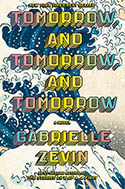
Tomorrow and Tomorrow and Tomorrow, by Gabrielle Zevin
This was probably my most recommended book of the year, and as I put this post together, that sentiment still rings true. One of my favorites not just for the year but for the last several. Who knew a novel about gaming buddies would bury a hole into my heart?
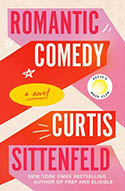
Romantic Comedy, by Curtis Sittenfeld
I’m not sure Sittenfeld’s novel about finding love in the time of Covid was what I exactly thought it might be when I picked it up — it felt a little bit light following “Rodham” — but I did enjoy it and was a nice break from some of the darker reads this year.
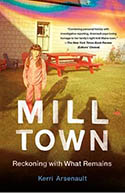
Mill Town, by Kerri Arsenault
One of my relatively few nonfiction reads for the year, I was drawn to the story about a paper mill town because that’s the kind of place my husband grew up. A really interesting read into the sociology that makes up small town America.
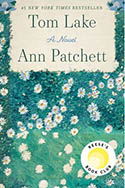
Tom Lake, by Ann Patchett
Patchett’s latest is yet another book this year that felt like it came from a completely different author — so different from what I anticipated, yet still thoroughly enjoyable. I’m used to a little bit more crazy served up in a Patchett story, but Tom Lake was soothing and gentle and who doesn’t need that from time to time?
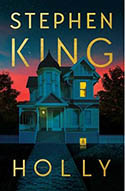
Holly, by Stephen King
I always try to sneak in at least one thriller every year and am always grateful when Stephen King’s publishing schedule matches my need for him to put out a new book. “Holly” is both horrifying and hilarious in spots, and a page turner.
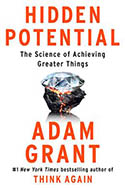
Hidden Potential, by Adam Grant
I love an occasional book by a “thinker” and as an organizational psychologist, Grant fits the bill. I probably had a more intense reaction to “Think Again” but this latest book essentially makes the case for stepping outside of your comfort zone, which is a little scary. He has a point though. You just need to be open to listening.
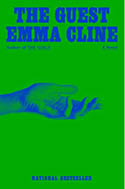
The Guest, by Emma Cline
What a way to end the year, with a page turner that reminded me of Lisa Lutz and The Passenger. The Guest is a binge read that might require some anti-anxiety breaks in between chapters.

